Water Damage Cleanup Salt Lake City is a multi-step process that involves inspection, extraction, drying, cleaning, and restoration. It is important to act fast when a water disaster occurs, as the longer moisture remains in a building, the more likely mold will grow and the structural integrity of the property will be compromised.
Inspection
First and foremost, a professional inspection must take place. This helps to identify the extent of damage and what steps are needed to get the job done correctly and efficiently. A trained inspector assesses the entire space to determine the water source, moisture levels, and the classification of the water (Clean Water, Gray Water, or Black Water). This is critical because it guides the level of safety precautions that need to be taken and allows the technician to prepare a comprehensive plan for mitigation and restoration.
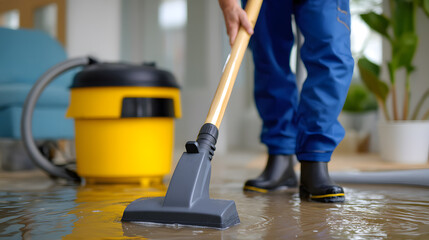
Once the inspection is complete, technicians begin removing standing water. This is crucial because the longer water sits, the more damage it causes. Even a shallow puddle can seep deep into carpets, walls, and furniture. This step also helps reduce the risk of structural damage and mold growth, which can be very expensive to remedy. Powerful pumps, extraction units, and portable wet vacuums are used to remove as much water as possible.
If necessary, professionals may also disconnect power to prevent electrocution hazards, and they may block or redirect water flow with tarps, pumps, and other tools. They can also dehumidify the area with commercial-grade equipment and increase air circulation by opening windows and doors.
Extraction
The next step is to remove standing water using industrial vacuums and pumps. This can include the use of specialized equipment to reach hard-to-reach areas like under floorboards and behind walls. If the water is classified as Category 3 (Black Water), special personal protective equipment will need to be worn during cleanup. This includes a mask, gloves, goggles, and disposable clothing. This water can carry dangerous pathogens that pose serious health risks to humans. It may also need to be removed and disposed of immediately.
Drying
After standing water is removed, the specialists take steps to ensure structural and building materials are completely dry. This may involve using hygrometers, moisture detectors and infrared thermal cameras to find hidden pockets of moisture inside walls, under flooring or deep within building materials. Then industrial-grade air movers and dehumidifiers go to work to evaporate remaining moisture and bring humidity levels back down to normal. This process can last for several days and is vital to prevent mold damage.
During this phase, technicians also disinfect and clean affected areas. This includes cleaning up debris, stains and contaminants as well as eliminating bacteria, pathogens and odors. It can also involve thorough contents cleaning of soft items like bedding, stuffed furniture and personal belongings. This is especially important for contaminated water categorized as Category 3 or Black Water that could pose health risks.
The faster you call restoration professionals after water damage, the more likely they are to save your home and belongings. Look for a company with IICRC (Institute of Inspection, Cleaning and Restoration) certification and membership in industry organizations. They should also carry adequate insurance and licensing for your state or local area. And they should provide written guarantees for their work.
Cleaning
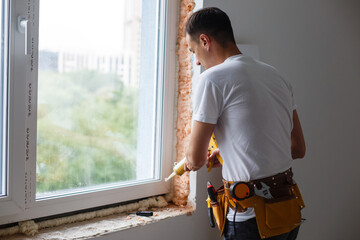
Water damage restoration is the specialized process of repairing and restoring property after it has been affected by water. This includes replacing and restoring damaged materials, fixing windows and doors, and ensuring that the home is completely dry. It also involves cleaning and disinfecting contaminated surfaces and contents, and removing debris.
The cleanup and restoration process starts with stopping the flow of water, assessing the damage, and determining the proper mitigation efforts needed. Next, the water extraction process begins, using powerful pumps and vacuum equipment to remove standing water as quickly as possible to reduce potential damage and microbial growth.
Once the majority of the water is removed, the drying and dehumidification process begins. Industrial-grade air movers and dehumidifiers eliminate residual moisture in building materials, prevent mold growth, and restore structural integrity. Technicians monitor humidity levels with hygrometers and adjust as necessary.
During the cleaning and sanitization stage, surfaces and contents are thoroughly cleaned and disinfected. This eliminates bacteria, pathogens, mold spores, dirt, and other contaminants, as well as odors caused by the water intrusion. Contents that can be restored are cleaned in place, while those that cannot be saved may need to be removed and taken to a specialty cleaning facility for treatment and storage. After everything is clean, sanitized, and dried, the space is returned to its pre-loss condition. This can take weeks or months, depending on the extent of the damage and the size of the affected area.
Sanitization
After removing water and drying affected areas, the sanitization process begins. This step is vital to prevent mildew, mold and other health issues from developing. It also ensures that the structure and contents of your home are thoroughly cleaned. Technicians use antimicrobial treatments to kill bacteria, viruses and other contaminants that may be present in the water. This process will not only remove harmful substances but also protect your family’s health by preventing the spread of infection and illness.
Depending on the contamination level, the cleaning and sanitizing procedure can vary. Clean water (Category 1) is typically from a clean source such as supply lines, overflowing toilets or bathtubs with no contaminants, or a sewage backup. Gray water is slightly contaminated and usually originates from washing machines, dishwashers, toilets with no feces, or sump pump failures. Highly contaminated water is known as Black Water and can cause serious health issues if exposed to for extended periods of time.
After the affected area has been cleaned and sanitized, the technicians will inspect the space with moisture meters to ensure that the building materials are completely dry. This will allow them to move on to the restoration process and restore your home to its original state. If necessary, the professionals will then repair or replace any damaged material in the affected areas. This includes drywall, carpeting, flooring, walls and other structural components.
Repair
Once the water removal process is complete, the affected areas must be thoroughly cleaned and disinfected. This includes the floors, walls, ceilings, and personal belongings. This step proactively protects health and prevents lingering odors caused by bacteria, viruses, and other contaminants.
This is an important step because long-standing water promotes mold growth and deteriorates materials like wood and drywall. It also contributes to poor indoor air quality, which can aggravate allergies and respiratory problems.
Water restoration specialists use pumps and wet vacuums to remove standing water and quickly dry out the affected areas. This reduces the risk of extensive structural damage and prevents mold and mildew development. In some cases, it may be necessary to move furniture and other possessions to a safe drying area.
After assessing the extent of the water damage, professionals can determine what can be salvaged and what needs to be replaced. This can help homeowners file insurance claims more effectively.
In addition to cleaning and sanitizing, professionals may need to repair or reconstruct the damaged areas. This can include replacing drywall, wooden trim boards, and appliances. It is always the goal to restore the property to its pre-loss condition or better.